
📝📸 John Lowry
Notes from the Field: Summer in Full Swing and Citizen Science at Point Petre
Things are looking up at Point Petre! Here is my report from the field with a wonderful seasonal update. South Shore local ecosystem conditions are looking definitely better than last year at this time.
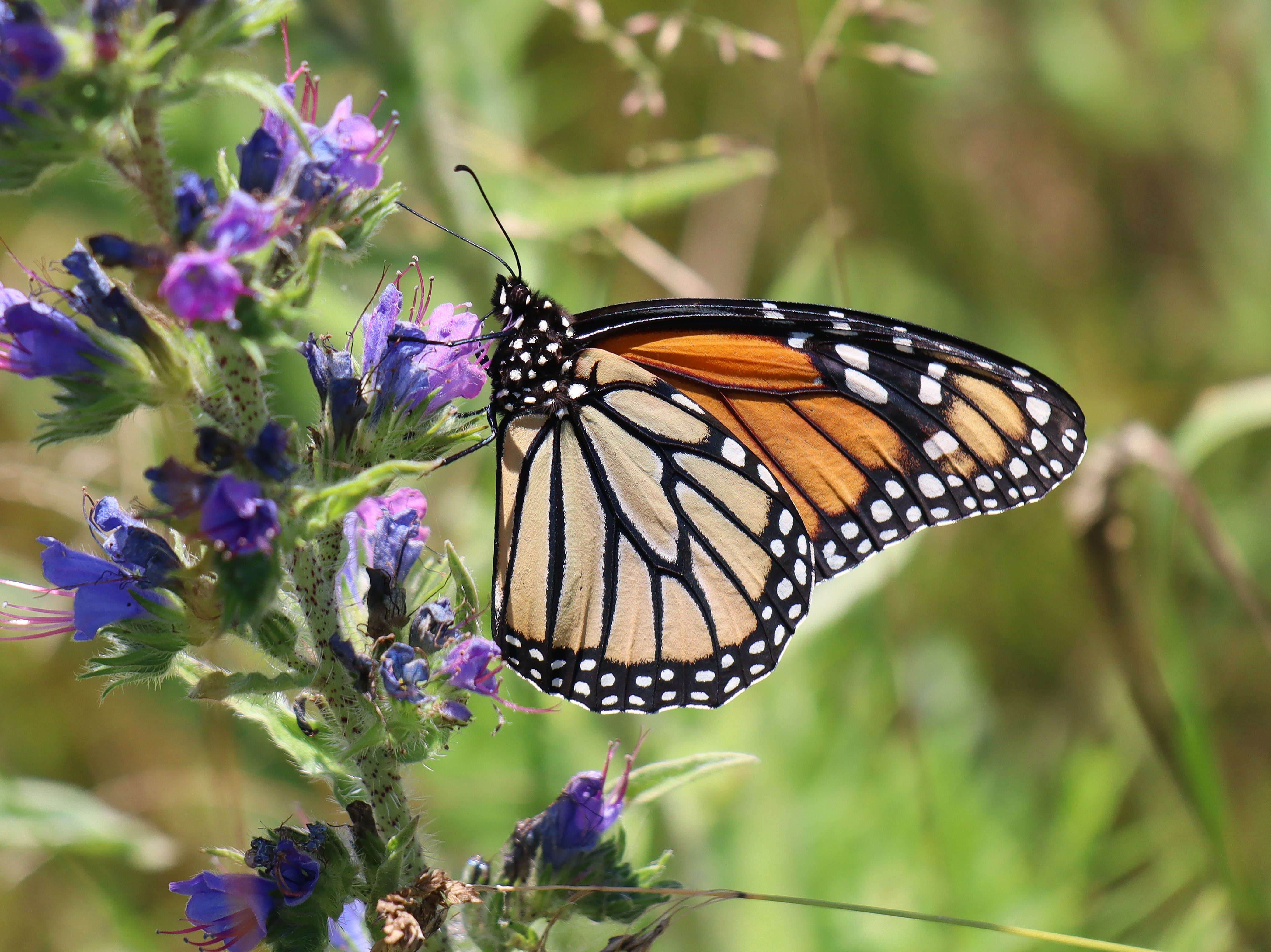
Photo: John Lowry
During my trek, I spotted 7 to 8 Monarch butterflies fluttering through the area. While I didn’t catch sight of any caterpillars just yet, the Common Milkweed—a critical host plant for Monarch larvae—is out nicely. Of course, it wouldn't be the South Shore without a little competition; the milkweed is sharing the landscape alongside a few familiar stubborn intruders, namely Wild Parsnip and Dog-strangling Vine (DSV).
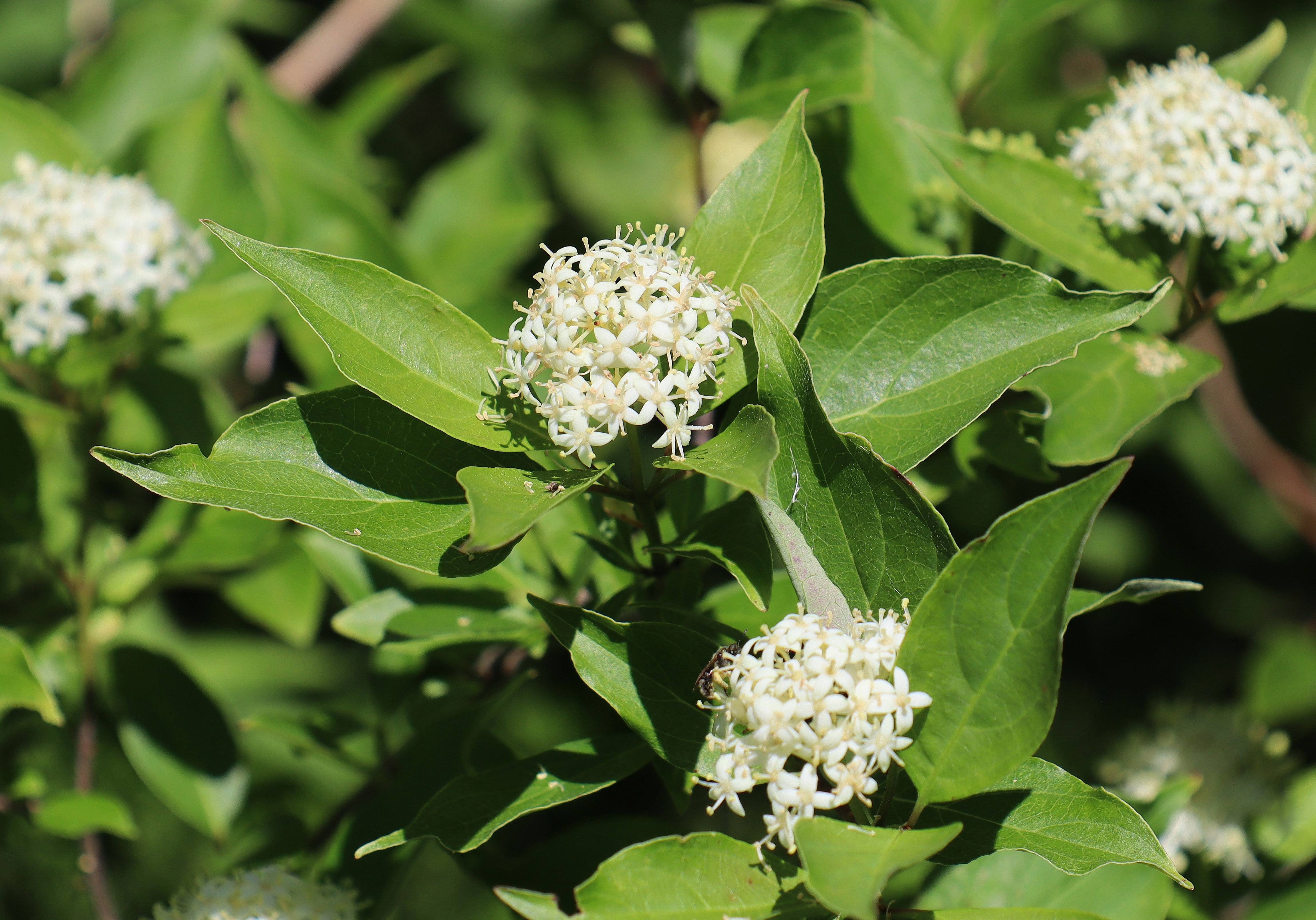
Photo: John Lowry
Beyond the Monarchs, I managed to photograph a gorgeous Halloween Pennant dragonfly and a beautiful patch of Grey Dogwood. I also caught a glimpse of a stunning Fritillary butterfly, though it fluttered away just a bit too fast for a photo!
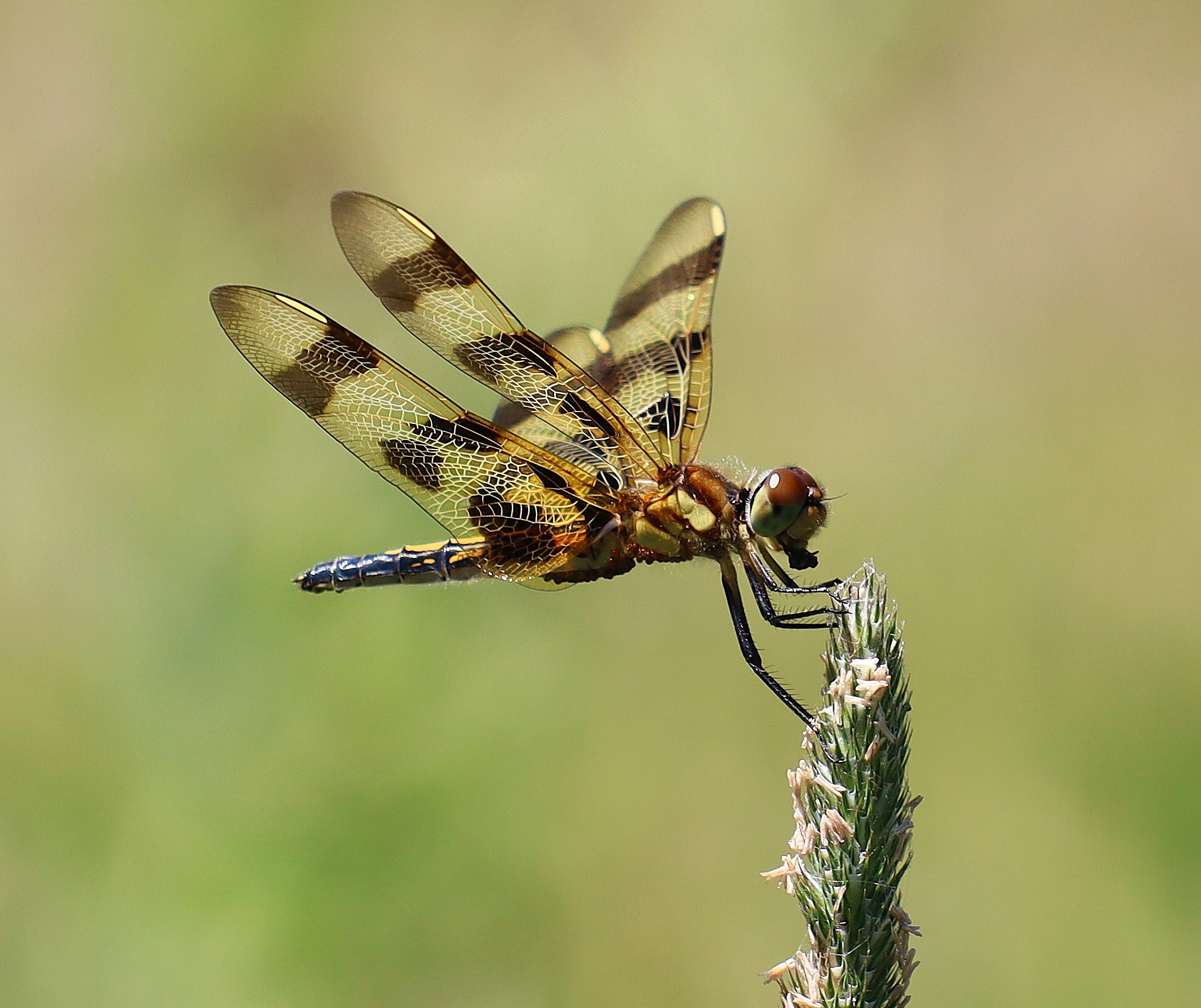
Photo: John Lowry
Every Observation Counts: The iNaturalist Connection
My field walks are more than just a hobby—they are part of a coordinated effort to protect the region's delicate ecosystems. As an active volunteer, I initiated the official Biodiversity of Prince Edward County's South Shore project on iNaturalist.
This platform serves as an essential digital archive for local conservation. When community members and visitors log their findings on the app, it creates an open-source map of the area’s flora and fauna. This collective data helps researchers evaluate population trends, measure ecosystem health, and track the spread of invasive species like DSV.
Get Involved with SSJI
If you are planning your own excursion through the South Shore Key Biodiversity Area, you can easily become a citizen scientist. Any photos of plants, insects, or wildlife you upload to iNaturalist within the region's boundaries are automatically tallied into our collective biodiversity project.
Want to dive deeper into local conservation efforts? Check out these resources to get started:
-
Track Pollinators: Explore the Monarch Monitoring Project to learn how volunteers track summer sightings and map autumn migration roosts.
-
Protect Local Habitats: Visit our Biodiversity Protection Initiatives page to read up on local species at risk, upcoming community BioBlitzes, and public education programs.
- Come and explore with us at Monarch Day 2026. Everyone welcome!
Do you like this page?
